If you have a gravel driveway, walkway, or patio, you already know how stubborn weeds can be. I’ve dealt with this problem countless times in my own yard and while helping homeowners, and the frustration is always the same: you clear the gravel, it looks great for a while, and then the weeds come right back.
The truth is, weeds growing in gravel is not a sign of neglect. Gravel areas create the perfect conditions for certain weeds to take hold. The good news is that you can remove weeds from gravel effectively and keep them from returning, as long as you understand why they grow there and use the right approach.
In this guide, I’ll walk you through exactly how to remove weeds from gravel step by step, what works long term, and what usually fails, based on real-world experience.
Why Weeds Grow in Gravel in the First Place
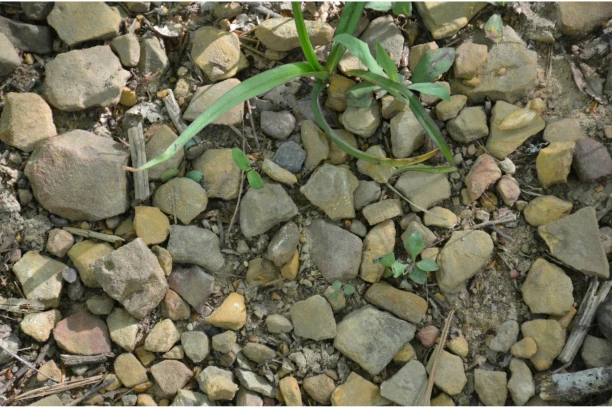
Many people assume weeds grow up from underneath the gravel. In reality, most gravel weeds start from seeds that land on top.
Over time, these things happen:
- Wind blows in weed seeds
- Leaves and dust settle between stones
- Organic debris breaks down into soil
- Moisture gets trapped below the surface
That thin layer of material is all weeds need to germinate. Once roots work their way down, they become much harder to remove.
Understanding this is important, because simply pulling weeds without addressing the cause almost guarantees they’ll return.
Start With the Right Approach
Before choosing a method, ask yourself two questions:
- How bad is the weed problem right now
- Do you want a quick fix or a long-term solution
There’s no single method that works perfectly for every gravel area. In my experience, the best results usually come from combining two or more techniques.
How to Remove Weeds From Gravel (Step by Step)
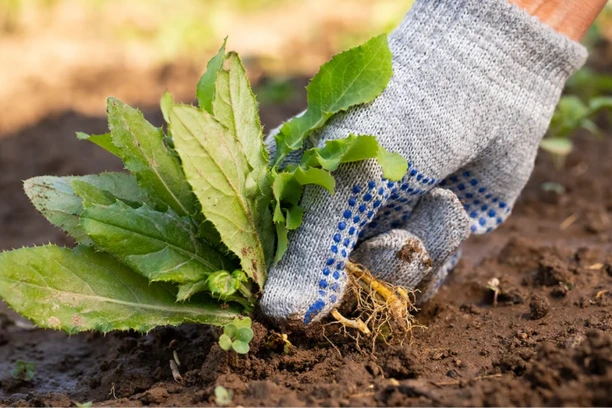
1. Hand Pulling (Best for Small Areas)
For light weed growth, hand pulling is often the simplest place to start.
How to do it properly:
- Pull weeds when the gravel is slightly damp
- Grab weeds at the base, not the leaves
- Remove as much of the root as possible
- Shake excess gravel back into place
This works well for:
- Small gravel paths
- Newly sprouted weeds
- Areas near plants where chemicals aren’t ideal
The downside is that hand pulling alone rarely solves the problem long term.
2. Boiling Water (Simple and Effective)
Boiling water is one of the safest and most effective ways to kill weeds in gravel.
Why it works:
- Heat destroys plant cells instantly
- Roots are damaged below the surface
- No chemicals involved
How to use it:
- Bring water to a rolling boil
- Pour directly on the weeds
- Avoid nearby plants you want to keep
I’ve seen this method work especially well on gravel driveways and patios. You may need to repeat it for stubborn weeds.
3. Vinegar-Based Weed Killers
Household vinegar can kill weeds, but it needs to be used correctly.
Important things to know:
- Vinegar kills the leaves, not always the roots
- Stronger horticultural vinegar works better than kitchen vinegar
- It’s non-selective and can harm nearby plants
Best practice:
- Apply on a sunny, dry day
- Spray directly on weed leaves
- Expect to reapply for deep-rooted weeds
Vinegar works best as part of a maintenance routine, not a one-time fix.
4. Commercial Weed Killers (Use Carefully)
Herbicides can be effective, but they should be used with care around gravel.
When they make sense:
- Large gravel driveways
- Severe infestations
- Areas far from lawns and garden beds
Tips from experience:
- Choose a product labeled for gravel or driveways
- Avoid spraying before rain
- Follow label instructions exactly
Overuse is one of the biggest mistakes I see homeowners make.
5. Torch or Flame Weeding
Flame weeders use heat to kill weeds without chemicals.
What to know:
- You don’t need to burn weeds to ash
- Brief exposure to heat is enough
- Works best on young weeds
Safety matters:
- Keep water nearby
- Avoid dry leaves and mulch
- Check local fire regulations
This is a popular option for homeowners who want a chemical-free solution.
How to Stop Weeds From Coming Back
Removing weeds is only half the job. Preventing them is what saves time and effort later.
Install or Repair Landscape Fabric
If your gravel area doesn’t have a weed barrier underneath, weeds will return quickly.
Best practices:
- Use heavy-duty landscape fabric
- Overlap seams generously
- Secure fabric before adding gravel
Fabric doesn’t stop all weeds, but it greatly reduces growth from below.
Add a Fresh Layer of Gravel
Thin gravel layers allow light to reach weed seeds.
What works better:
- 2 to 3 inches of gravel
- Even coverage
- Occasional raking to disrupt seedlings
A thicker layer makes it harder for weeds to establish.
Keep Gravel Areas Clean
This step is often overlooked.
- Remove fallen leaves
- Blow off dirt and debris
- Don’t let soil build up
Less organic material means fewer weeds.
Common Mistakes I See Homeowners Make
Over the years, these mistakes come up again and again:
- Pulling weeds but leaving roots behind
- Using vinegar once and expecting permanent results
- Ignoring weed barriers
- Letting debris collect between stones
- Overusing chemicals instead of prevention
Weed control in gravel is about consistency, not force.
When to Act and When to Wait
Take action when:
- Weeds are young and manageable
- Roots haven’t spread deeply
- You’re planning long-term prevention
Wait or reassess when:
- Gravel needs replacement
- Weed growth is extreme
- The base layer is failing
Sometimes rebuilding the gravel area is more effective than constant treatment.
Final Thoughts From Experience
Weeds in gravel are a common problem, but they don’t have to be a constant battle. The biggest change I see in successful gravel areas is a shift in mindset. Instead of reacting to weeds when they appear, homeowners who focus on prevention spend far less time dealing with them.
Remove weeds correctly, block future growth, and keep gravel areas clean. With that approach, weeds become a minor maintenance task instead of an ongoing frustration.
If you take the time to do it right once, your gravel driveway or path will stay clean and low-maintenance for years.