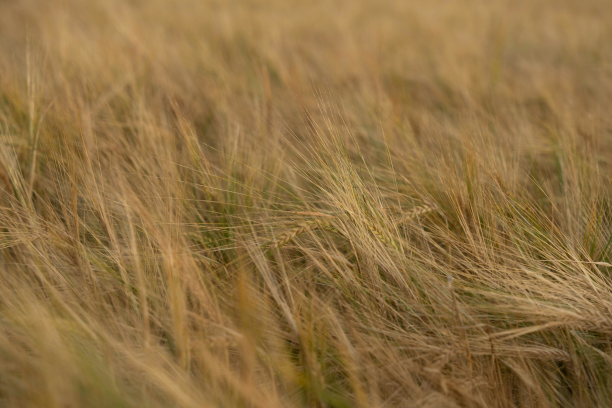
If you’ve looked out at your lawn and seen brown, lifeless patches where grass used to be green, you’re not alone. I’ve walked many homeowners through this exact situation over the years. The first reaction is usually panic followed by questions like Is my grass dead forever? Do I need chemicals? Do I have to replace the whole lawn?
In reality, a lot of grass that looks dead is actually dormant or stressed, not permanently gone. And even when grass has truly died, you can often restore those areas naturally, without harsh chemicals or expensive treatments.
In this guide, I’ll show you how to revive dead grass naturally, explain why grass dies in the first place, and walk you step by step through what actually works based on real lawn experience.
Why Grass Turns Brown or Dies
Before you try to fix anything, it’s important to understand why the grass failed. Treating the symptoms without addressing the cause almost always leads to repeat problems.
Dormant vs Truly Dead Grass
This is the first thing I help homeowners figure out.
- Dormant grass is alive but conserving energy
- Dead grass has lost its root system and won’t recover on its own
A simple test:
- Tug gently on the grass
- If it resists, it’s likely dormant
- If it pulls out easily, it’s probably dead
Many lawns are written off as “dead” when they’re actually just stressed.
Sometimes grass isn’t actually dead at all. In many cases, yellow or pale grass is simply stressed, which I explain in detail in my guide on why grass turns yellow.
Common Reasons Grass Dies
From years of hands-on lawn care, these are the most common causes:
- Drought stress or irregular watering
- Compacted or poor-quality soil
- Shallow roots from frequent light watering
- Heat stress during summer
- Mowing too short
- Lack of nutrients
- Pet damage or foot traffic
The good news is that most of these can be corrected naturally.
Can Dead Grass Be Revived Naturally?
Here’s the honest answer.
- Dormant grass can almost always be revived naturally
- Truly dead grass cannot be revived, but the area can be restored naturally
In both cases, chemicals are not required if you’re willing to do a little groundwork.
Step-by-Step: How to Revive Dead Grass Naturally
1. Confirm What You’re Dealing With
Before doing anything else, confirm whether the grass is dormant or dead.
Check:
- Root resistance when pulled
- Presence of green growth near the soil
- Recent weather patterns
If there’s even a little life left, focus on recovery. If not, focus on natural repair.
2. Improve Watering Habits First
Improper watering is the biggest cause of grass failure I see.
What works best naturally:
- Water deeply, not frequently
- Aim for about 1 to 1.5 inches per week
- Water early in the morning
Deep watering encourages roots to grow downward, making grass far more resilient.
Avoid:
- Daily shallow watering
- Evening watering that encourages disease
Many lawns begin recovering within weeks once watering is corrected.
3. Loosen Compacted Soil
Compacted soil suffocates roots and blocks water absorption.
Signs of compaction:
- Hard ground
- Water running off instead of soaking in
- Grass that never improves
Natural fixes:
- Core aeration (manual or mechanical)
- Using a garden fork to open the soil
- Topdressing with compost
I’ve seen severely stressed lawns bounce back simply by relieving soil compaction.
4. Feed the Soil, Not Just the Grass
Healthy grass starts with healthy soil.
Natural soil boosters:
- Finished compost
- Compost tea
- Organic lawn amendments
Spread compost lightly over thin or damaged areas. This improves soil structure and slowly feeds grass without burning it.
Avoid synthetic fertilizers during extreme heat. They often make things worse.
5. Reseed Dead Areas Naturally
If grass is truly dead, reseeding is the natural solution.
How to do it correctly:
- Rake out dead grass and debris
- Loosen the top layer of soil
- Choose grass seed suited to your region
- Lightly cover seed with compost
- Keep soil consistently moist
Patience matters here. Natural regrowth takes time, but it’s more durable long term.
6. Adjust Mowing Height
Cutting grass too short weakens it.
Best practice:
- Mow high, especially in summer
- Remove no more than one-third of blade height
- Keep mower blades sharp
Taller grass shades soil, retains moisture, and resists stress better.
Extra Expert Tips That Make a Real Difference
These smaller changes often separate lawns that struggle from lawns that recover.
- Reduce foot traffic on damaged areas
- Redirect pets away from sensitive spots
- Overseed thin areas in early fall or spring
- Mulch grass clippings instead of bagging
- Test soil every couple of years
Healthy lawns are built gradually, not forced.
Common Mistakes Homeowners Make
From experience, these mistakes delay recovery:
- Overwatering stressed grass
- Applying fertilizer to dead lawns
- Reseeding without fixing soil issues
- Expecting instant results
- Treating summer dormancy as permanent damage
Grass recovery is a process, not a switch.
When to Act and When to Wait
Take action if:
- Grass pulls out easily
- Soil is compacted
- Bare patches are spreading
Wait and monitor if:
- Grass is brown but rooted
- Weather conditions are extreme
- New green growth is appearing
Sometimes the best move is giving grass time once conditions improve.
Final Thoughts From Real Lawn Experience
Seeing dead or brown grass doesn’t mean you’ve failed as a homeowner. In most cases, it means the lawn is under stress and asking for better conditions.
From years of hands-on experience, the healthiest lawns aren’t built with aggressive treatments. They’re built by improving soil, watering correctly, mowing smartly, and giving grass time to recover.
If you focus on natural fixes and patience, many lawns that look hopeless can come back stronger than before.