If there’s one problem I see in almost every garage or shed I walk into, it’s poorly stored garden tools. Rusted shovels, tangled hoses, dull pruners, and tools tossed into a corner where they slowly get damaged. Most homeowners don’t mean to neglect their tools. They just don’t realize that how tools are stored matters as much as how they’re used.
I’ve helped plenty of people replace tools years earlier than they should have, simply because of poor storage. The good news is that storing garden tools properly doesn’t require fancy systems or a big budget. It just requires a little planning and consistency.
In this guide, I’ll show you how to store garden tools properly, explain why tools get damaged when stored incorrectly, and walk you through practical, real-world storage methods that actually work for homeowners.
Why Proper Garden Tool Storage Matters
Garden tools are designed to work outdoors, but they’re not designed to be ignored once the job is done.
Poor storage leads to:
- Rust and corrosion
- Dull blades
- Loose handles
- Broken parts
- Shortened tool lifespan
I’ve seen perfectly good tools ruined in one season simply because they were left wet, exposed, or piled together. Proper storage protects your investment, saves money, and makes yard work easier next time.
Common Reasons Garden Tools Get Damaged in Storage
Before fixing the problem, it helps to understand what causes it.
From experience, most tool damage comes from:
- Moisture exposure
- Dirt and sap left on tools
- Poor ventilation
- Tools stacked or tossed together
- Temperature extremes
Fixing storage issues is mostly about controlling moisture and organization, not buying new tools.
Step-by-Step: How to Store Garden Tools Properly
1. Clean Tools Before Storing Them
This step is skipped more than any other, and it causes the most damage.
After use, tools often have:
- Wet soil
- Plant sap
- Fertilizer residue
Leaving this on tools invites rust and corrosion.
What works:
- Knock off loose dirt
- Rinse with water if needed
- Dry tools completely before storage
For cutting tools, wipe blades with a cloth and remove sap buildup. Even a quick clean makes a big difference over time.
2. Dry Tools Completely
Moisture is the enemy of metal tools and wooden handles.
Before storing:
- Let tools air-dry
- Wipe metal parts with a dry rag
- Never store tools while damp
I’ve seen rust form in just a few days when tools were put away wet.
3. Protect Metal Parts From Rust
For long-term storage, a little protection goes a long way.
Simple rust prevention:
- Lightly coat metal parts with oil
- Use a rag with a few drops of machine oil
- WD-40 can work for short-term protection
This creates a barrier that slows rust formation, especially in humid areas.
4. Store Tools Off the Ground
Storing tools on the ground exposes them to:
- Moisture
- Dirt
- Accidental damage
- Tripping hazards
Better options:
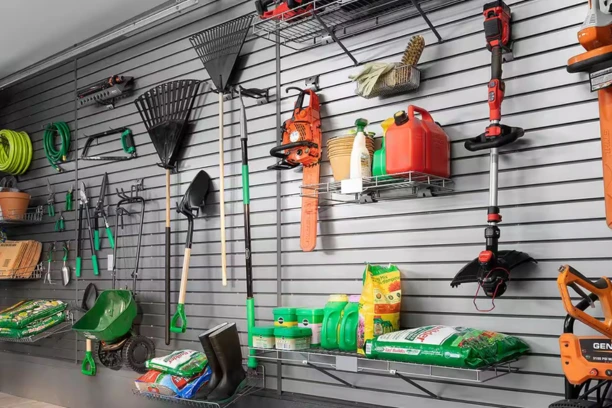
- Wall-mounted hooks
- Pegboards
- Tool racks
- Shelving units
Even hanging tools a few inches off the floor can significantly extend their life.
5. Organize Tools by Type and Frequency of Use
Disorganized storage leads to damaged tools and frustration.
A system that works:
- Frequently used tools at eye level
- Seasonal tools higher or lower
- Long-handled tools grouped together
- Small hand tools stored in bins or drawers
When tools are easy to grab and return, they’re less likely to be mishandled.
6. Store Tools in a Dry, Covered Area
Where you store tools matters as much as how.
Best storage locations:
- Garage
- Shed
- Basement (if dry)
- Covered storage cabinet
Avoid:
- Leaving tools outside
- Storing directly against damp walls
- Unventilated plastic bins in humid climates
Good airflow reduces moisture buildup.
7. Take Care of Wooden Handles
Wooden handles need attention too.
To prevent cracking or splintering:
- Clean handles after use
- Let them dry naturally
- Occasionally rub with linseed oil
This keeps wood from drying out and splitting over time.
8. Store Power Tools and Electric Tools Separately
If you use powered garden tools:
- Remove batteries before storage
- Store batteries in a dry, cool place
- Coil cords loosely to avoid damage
Never store electric tools where moisture is present. Water and electricity don’t mix.
Seasonal Garden Tool Storage Tips
Winter Storage
Winter is when tools suffer the most damage.
Before winter:
- Clean all tools thoroughly
- Oil metal parts
- Store in a dry, temperature-stable area
- Drain fuel from gas-powered tools if needed
Tools stored properly in winter are ready to use in spring.
Summer Storage
During active seasons:
- Keep tools organized and accessible
- Clean tools weekly if used often
- Watch for moisture buildup in humid weather
A little maintenance prevents mid-season failures.
Extra Expert Tips That Make Storage Easier
These small habits save time and money.
- Use labeled hooks or outlines on the wall
- Hang tools blade-down for safety
- Keep sharpening tools nearby
- Store gloves and accessories together
- Do a quick tool check once a month
Good storage becomes automatic with repetition.
Common Garden Tool Storage Mistakes
From years of seeing the same problems, avoid these mistakes:
- Storing tools dirty
- Leaving tools outside overnight
- Piling tools in corners
- Ignoring moisture problems
- Forgetting about wooden handles
Most tool damage is preventable.
When to Improve Storage and When to Replace Tools
Improve storage if:
- Tools are rusting but still solid
- Handles are dry but intact
- Blades are dull but not damaged
Replace tools if:
- Metal is deeply pitted
- Handles are cracked beyond repair
- Moving parts no longer function safely
Better storage prevents reaching this point.
Final Thoughts From Real Experience
Proper tool storage isn’t about perfection. It’s about protecting what you already own. From years of hands-on work, I’ve seen that homeowners who store tools correctly replace fewer tools, work more efficiently, and enjoy their yard work more.
Clean tools, dry storage, simple organization, and a little protection go a long way. If you build these habits now, your garden tools will last longer and be ready whenever you need them.
Storing tools properly isn’t extra work. It’s the easiest maintenance you’ll ever do.