If you have ever cleared weeds from your lawn or garden, stepped back feeling satisfied, and then noticed the same weeds creeping back a few weeks later, you are not alone. I have dealt with this problem for years while helping homeowners across the US, and I can tell you this with confidence: weeds do not come back because you failed. They come back because the real cause was never fixed.
Most people focus on removing what they can see. The problem is that weeds are experts at surviving below the surface. Until you understand why weeds keep coming back, it is almost impossible to stop them long term. This guide will walk you through what is really happening in your yard and how to fix it in a practical, homeowner friendly way.
Why Weeds Are Persistent
Weeds are not random plants that appear by accident. They show up because conditions allow them to thrive.
Weeds Grow Faster Than Most Plants
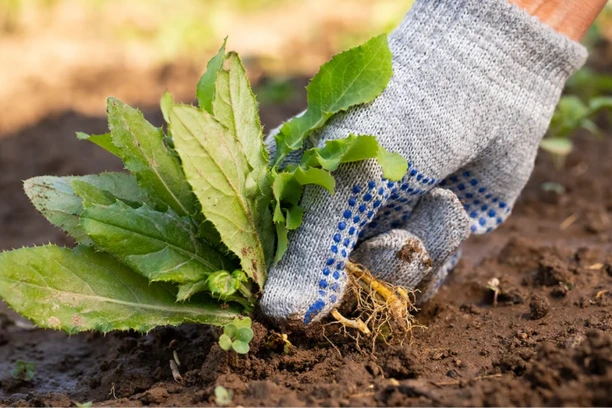
Most weeds regrow from roots left underground. Pulling off the visible part only removes the top growth. If the root system stays alive, the weed will return.
The Real Problem Is Underground
Pulling weeds removes the visible part, but many weeds regrow from roots left in the soil. Some can regenerate from even a small root fragment.
Weed Seeds Stay in the Soil for Years
Many homeowners are surprised to learn that weed seeds can remain inactive in soil for a long time. You may remove all visible weeds, yet seeds buried below the surface wait for the right moisture, light, and temperature to sprout.
Bare Soil Invites Weeds
Any time soil is exposed, weeds take advantage. This happens after pulling weeds, mowing too short, or leaving thin spots in the lawn.
Once you understand these points, weed problems start to make sense.
Common Reasons Weeds Return So Quickly
Roots Are Not Fully Removed
Many weeds regenerate from small pieces of root left behind. This is especially common with deep rooted and spreading weeds.
Weak or Thin Grass
Healthy grass crowds out weeds naturally. Thin lawns leave sunlight and space that weeds love.
Poor Soil Conditions
Compacted soil, low nutrients, and drainage problems weaken desirable plants and give weeds the upper hand.
Incorrect Watering Habits
Frequent shallow watering weakens grass roots. Stressed grass creates openings for weeds.
Mowing Too Short
Cutting grass too low exposes soil and reduces the grass’s ability to compete with weeds.
How to Stop Weeds From Coming Back
Step 1: Identify the Type of Weeds You Have
Before choosing a solution, you need to know what kind of weeds you are dealing with.
Annual Weeds
Annual weeds grow from seed, produce more seeds, and die within one season. They usually return because new seeds sprout each year.
Perennial Weeds
Perennial weeds live for multiple years and regrow from deep or spreading roots. These are harder to eliminate and require more thorough control.
Knowing the difference helps you avoid wasting time on the wrong approach.
Step 2: Remove Weeds the Right Way
Pull Weeds When Soil Is Moist
Weeds are much easier to remove completely when the soil is slightly damp. Dry soil often causes roots to snap and stay behind.
- Grip weeds close to the soil
- Pull slowly and steadily
- Avoid yanking quickly
For deep rooted weeds, a hand weeding tool can loosen the soil around the roots.
Never Leave Bare Spots
After removing weeds, fill the area immediately with grass seed, plants, or mulch. Bare soil almost guarantees weeds will return.
Step 3: Strengthen Your Lawn or Garden
This step is often skipped, and it is the main reason weeds keep coming back.
Improve Soil Health
Healthy soil supports strong plants that naturally suppress weeds.
- Loosen compacted soil
- Add compost or organic matter
- Address drainage issues if soil stays wet
Feed Plants Properly
Well fed grass and garden plants grow thicker and stronger, leaving less space for weeds to establish.
Water Deeply, Not Frequently
Deep watering encourages deeper roots. Strong roots help plants outcompete weeds during dry periods.
Step 4: Block Weed Growth Before It Starts
Why Mulch Works
Mulch blocks sunlight, which most weed seeds need to sprout. It also protects soil moisture and improves soil quality over time.
How to Use Mulch Correctly
- Apply a layer about two to three inches thick
- Keep mulch a few inches away from plant stems
- Refresh mulch as it breaks down
In lawns, thick grass acts like mulch by shading the soil and preventing weed seeds from germinating.
Step 5: Use Weed Control Products Wisely
Weed control products can help, but they should never be the only solution.
Pre Emergent Control
Pre emergent products prevent weed seeds from sprouting. They are most effective for annual weeds when applied at the right time.
Post Emergent Control
These products kill existing weeds. They work best when weeds are actively growing and young.
Avoid Overuse
Using weed control without fixing soil and plant health often leads to repeated weed problems year after year.
Extra Expert Tips That Make a Real Difference
These are small adjustments I have seen produce consistent results.
- Mow grass at the proper height
- Keep mower blades sharp
- Avoid over fertilizing
- Clean tools to avoid spreading weed seeds
- Stay consistent instead of aggressive
Small habits add up over time.
Common Mistakes to Avoid
Many homeowners unknowingly make these mistakes.
- Pulling weeds without improving soil
- Leaving bare soil exposed
- Expecting permanent results overnight
- Overusing weed killers
- Ignoring early weed growth
Weed control is an ongoing process, not a one time task.
When You Should Change Your Approach
You should rethink your weed control plan if:
- The same weeds return every season
- Your lawn looks thin or patchy
- Soil feels hard and compacted
- Weeds reappear quickly after removal
These signs usually mean weeds have better growing conditions than your plants.
Final Thoughts
Weeds keep coming back because they take advantage of weak spots in your lawn or garden. When you only remove what you see without fixing the conditions below the surface, weeds will always return.
The real solution is building healthy soil, growing strong plants, and closing the gaps weeds depend on. From years of hands on experience, I can say this confidently: once your yard is healthy, weeds lose their advantage, and managing them becomes much easier and far less frustrating.
That is how you get long lasting results, not just temporary relief.