
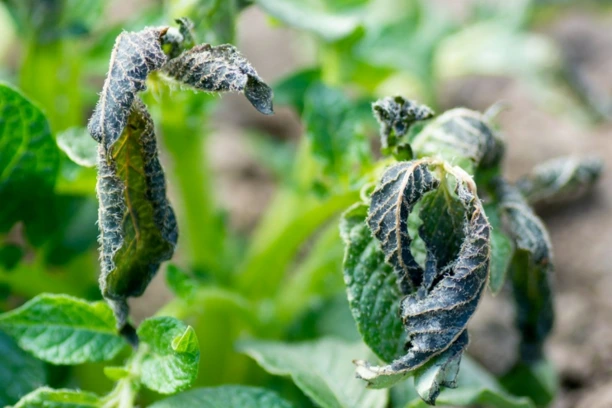
If you’ve ever woken up after a cold night and found your plants wilted, blackened, or limp, you know how discouraging frost damage can be. I’ve seen it happen many times to homeowners who did everything right all season, only to lose plants overnight because of one unexpected frost.
The good news is this: most frost damage is preventable if you understand why frost happens and take the right steps before nightfall. You do not need expensive equipment or professional setups. What you need is timing, awareness, and a few proven techniques that actually work in real yards.
In this guide, I’ll explain why frost damages plants, how to protect plants from frost overnight step by step, and what mistakes to avoid so your garden survives cold nights with minimal stress.
Why Frost Damages Plants
Frost damage is not just about cold air. It happens because of how moisture behaves inside plant cells.
Frost damage is not just about cold air touching the plant. The real damage happens inside the plant itself, at the cellular level.
Plants contain a high amount of water inside their cells. When nighttime temperatures drop close to freezing, that water can begin to freeze. As water freezes, it expands. This expansion puts pressure on the cell walls, causing them to rupture or weaken.
Once the sun comes up and temperatures rise, the frozen water inside those damaged cells thaws. But the cells can no longer hold their structure. This is why leaves often look:
- Limp
- Darkened
- Water-soaked
- Wilted even after warming up
The damage has already been done internally.
Another important factor is radiational cooling. On clear, calm nights, heat escapes rapidly from the soil into the atmosphere. Plant surfaces lose heat faster than the surrounding air, meaning leaves can reach freezing temperatures even when the air temperature is slightly above 32°F.
This is why frost can damage plants unexpectedly and why protection works best when it traps heat coming up from the soil and slows down heat loss from plant surfaces.
Tender plants suffer the most because:
- Their cells contain more water
- Their cell walls are thinner
- They have less natural cold resistance
Understanding this process is key. Once you know that frost damage is caused by freezing moisture inside plant cells, the protection methods make sense instead of feeling random.
What Frost Really Does
When temperatures drop near freezing, water inside plant cells can freeze. As it freezes, it expands and damages cell walls. Once those cells are damaged, leaves and stems collapse when they thaw.
Why Some Nights Are Worse Than Others
Frost is more likely on:
- Clear nights with no cloud cover
- Calm nights with little wind
- Low lying areas where cold air settles
Even if the air temperature is slightly above freezing, plant surfaces can still drop low enough to frost.
Why Young and Tender Plants Suffer Most
New growth, flowering plants, and vegetables have high water content. That makes them far more vulnerable than established shrubs or woody plants.
Understanding this helps you act early instead of reacting too late.
Signs Frost Is Likely Overnight
Catching frost before it happens is the key to protecting plants.
Watch for:
- Night temperatures near 32°F
- Clear evening skies
- Dry air and calm winds
- Local frost advisories
If frost is possible, assume your plants need protection.
How to Protect Plants From Frost Overnight
These steps are based on what I’ve seen work consistently for homeowners.
Step 1: Water Plants Before Nightfall
This surprises many people, but it works.
Moist soil holds heat better than dry soil. Watering earlier in the day allows the ground to absorb warmth and slowly release it overnight.
Best practices:
- Water in the afternoon, not late at night
- Focus on soil, not leaves
- Avoid soaking plants right before freezing
This alone can raise soil temperature just enough to help.
Step 2: Cover Plants Properly
Covering plants traps heat rising from the soil and protects leaves from direct frost contact.
What works well:
- Frost cloth
- Old bedsheets
- Towels or blankets
- Burlap
How to do it right:
- Cover plants before sunset
- Let covers reach the ground
- Secure edges so heat stays trapped
Avoid plastic touching plant leaves. Plastic conducts cold and can cause more damage if it rests directly on foliage.
Step 3: Create Space Under the Cover
Air space matters.
Covers should form a tent, not press down on plants. Stakes, tomato cages, or overturned buckets help keep fabric off delicate leaves.
This trapped air layer acts as insulation and reduces frost contact.
Step 4: Use Mulch for Root Protection
Roots are just as important as leaves.
Apply mulch around the base of plants to:
- Insulate soil
- Reduce temperature swings
- Protect roots from freezing
Use:
- Straw
- Shredded leaves
- Bark mulch
- Wood chips
Even a few inches of mulch makes a difference overnight.
Step 5: Move Potted Plants to Safety
Container plants are more vulnerable because their roots are exposed on all sides.
Before frost:
- Move pots into a garage, shed, or porch
- Place them near a house wall for warmth
- Group pots together to share heat
This is often the easiest and most effective solution for potted plants.
Step 6: Remove Covers in the Morning
Once temperatures rise and frost melts, uncover plants.
Leaving covers on too long can:
- Trap excess moisture
- Reduce sunlight
- Encourage disease
Remove covers once temperatures stay safely above freezing.
Extra Expert Tips That Make a Big Difference
These small habits can save plants during unpredictable weather.
- Protect the most sensitive plants first
- Use buckets or boxes for short cold snaps
- Focus on young plants and flowers
- Check low spots in your yard first
- Prepare covers in advance so you’re not scrambling at night
Preparation matters more than perfection.
Common Frost Protection Mistakes
I see these mistakes every year.
- Covering plants too late
- Using plastic directly on leaves
- Forgetting to secure covers
- Watering plants at night when temperatures are already dropping
- Leaving covers on for days
Most frost damage happens because protection was rushed or incomplete.
When Frost Protection Is Worth the Effort
Protect plants when:
- Frost is brief or light
- Plants are still actively growing
- You want to extend the season
- Plants are valuable or newly planted
Do not stress about protecting cold hardy plants that are already going dormant.
If frost protection is becoming a regular concern in your area, it’s a sign that you should also think ahead about how to prepare garden for winter, which helps reduce cold damage before it even starts.
When Frost Protection May Not Help
Sometimes frost damage is unavoidable.
Protection may not work if:
- Temperatures drop far below freezing
- Frost lasts multiple nights
- Plants are already stressed or diseased
In these cases, focus on saving roots and preparing for regrowth.
Final Thoughts
Frost damage feels sudden, but it is rarely unpredictable. With a little planning and the right approach, you can protect plants from frost overnight and avoid unnecessary losses.
From years of real-world experience, I’ve learned that simple actions done on time work better than complicated solutions done late. Water the soil, cover plants properly, protect roots, and stay alert to weather changes.
When you build these habits, frost becomes something you manage, not something that ruins your garden overnight.